
EV Charger Retrofit in Europe: Core Drivers for Charge Point Operators
Jul 27, 2026
More News


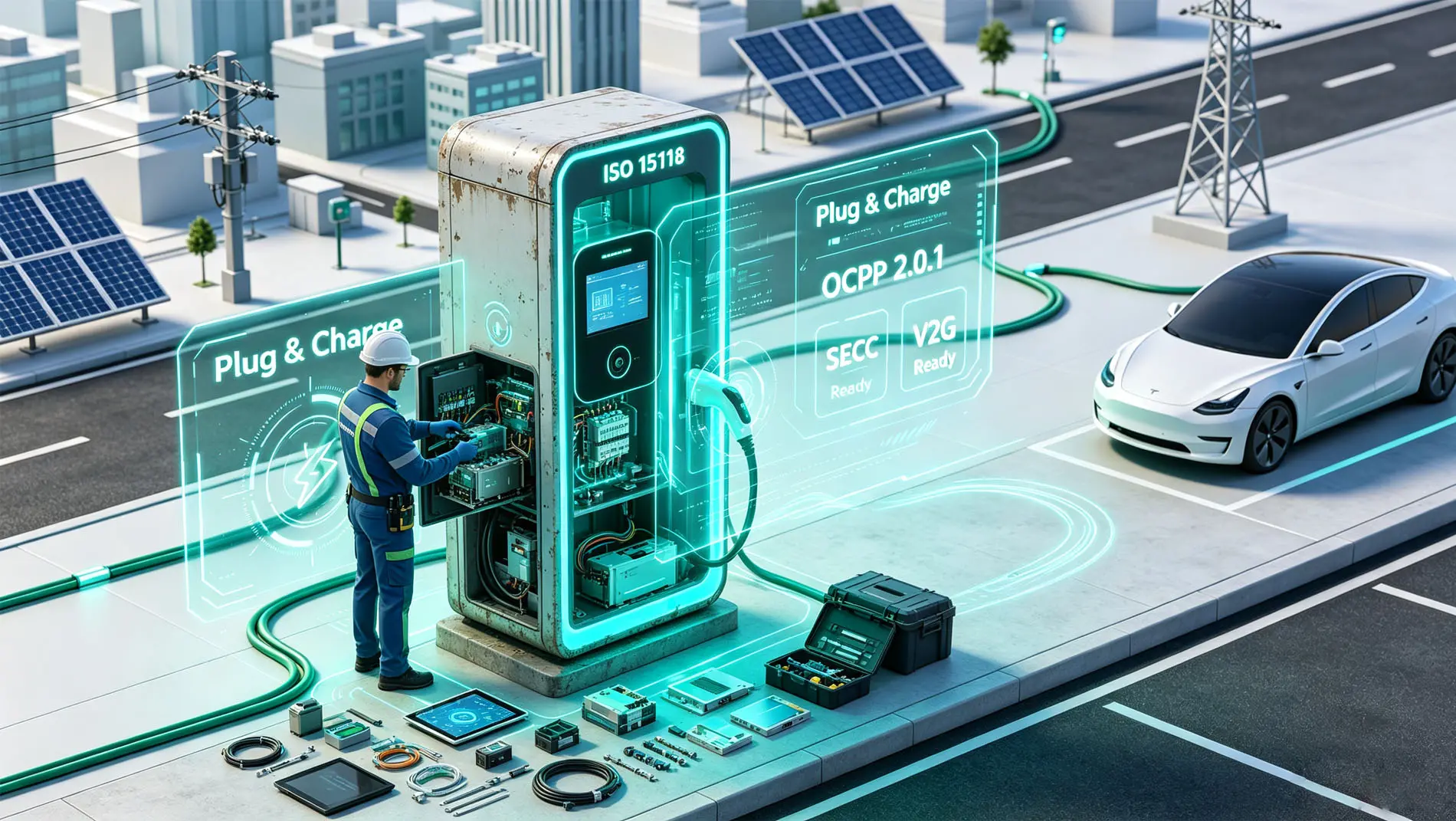
Modern EV drivers expect seamless, hassle‑free charging experiences. Plug & Charge (PnC), defined under the ISO 15118 standard, removes manual steps such as QR‑code scanning, RFID card swiping or app login. At the heart of this capability sits the SECC (Supply Equipment Communication Controller) — the critical station‑side communication component that executes automatic authentication between electric vehicles and charging infrastructure.
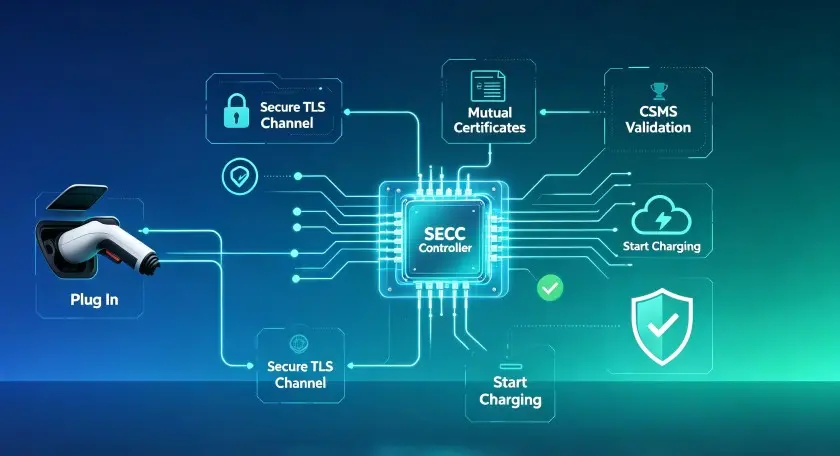
What exactly is SECC? As the charging‑station communication brain, SECC handles Power‑Line‑Communication (PLC) data exchange, TLS security handshakes, certificate forwarding and session negotiation with the on‑board EVCC (Electric Vehicle Communication Controller) inside the car. Without a fully‑functional SECC, hardware cannot support Plug & Charge automatic authentication, even if the rest of the charger hardware is complete.
Let’s walk through the automatic authentication workflow. Once the user inserts the charging cable:
Many infrastructure operators underestimate the complexity behind this “plug‑and‑forget” user experience. SECC must strictly implement full ISO 15118‑2 /‑20 protocol stacks, correctly manage PKI certificate chains, handle revocation checks, and maintain stable PLC communication under harsh field conditions. Poor SECC implementation leads to authentication failures, session time‑outs and bad end‑user experience.
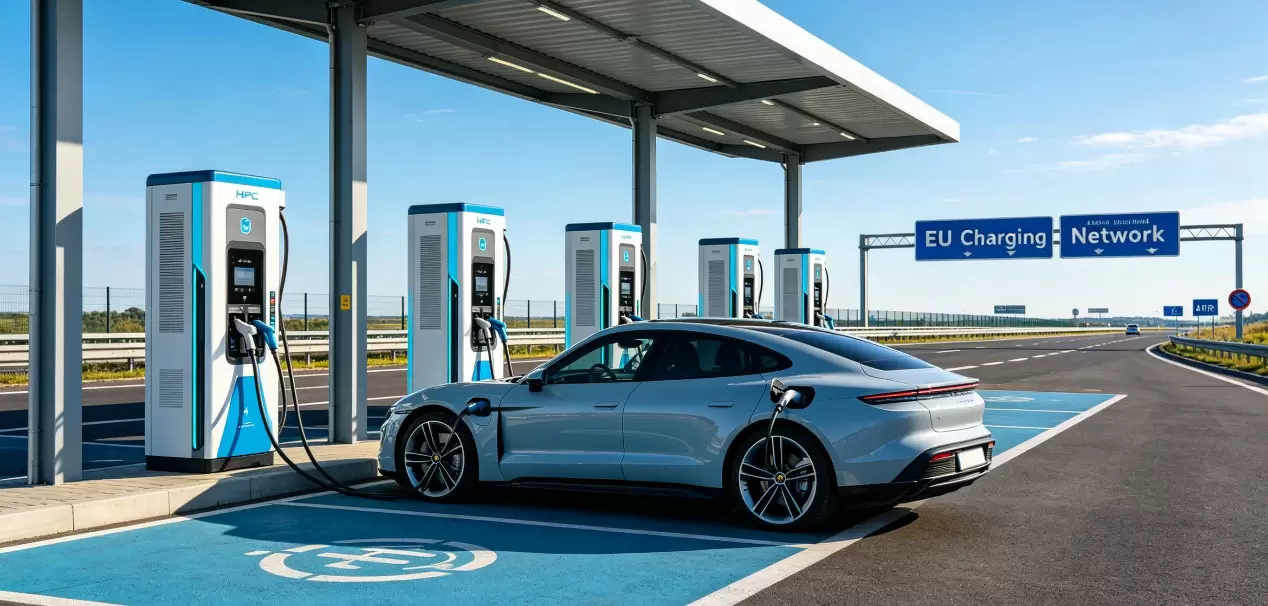
Beyond basic Plug & Charge, a robust SECC controller lays the technical foundation for Vehicle‑to‑Grid (V2G), dynamic smart charging and advanced grid‑support services. With EU AFIR regulations mandating PnC compatibility for new public charging points, mature SECC solutions become non‑negotiable for global charger manufacturers targeting European and international markets.
In short: SECC is far more than a communication interface. It is the security gateway that makes automatic authentication trustworthy, compliant and commercially viable for tomorrow’s EV charging networks.