
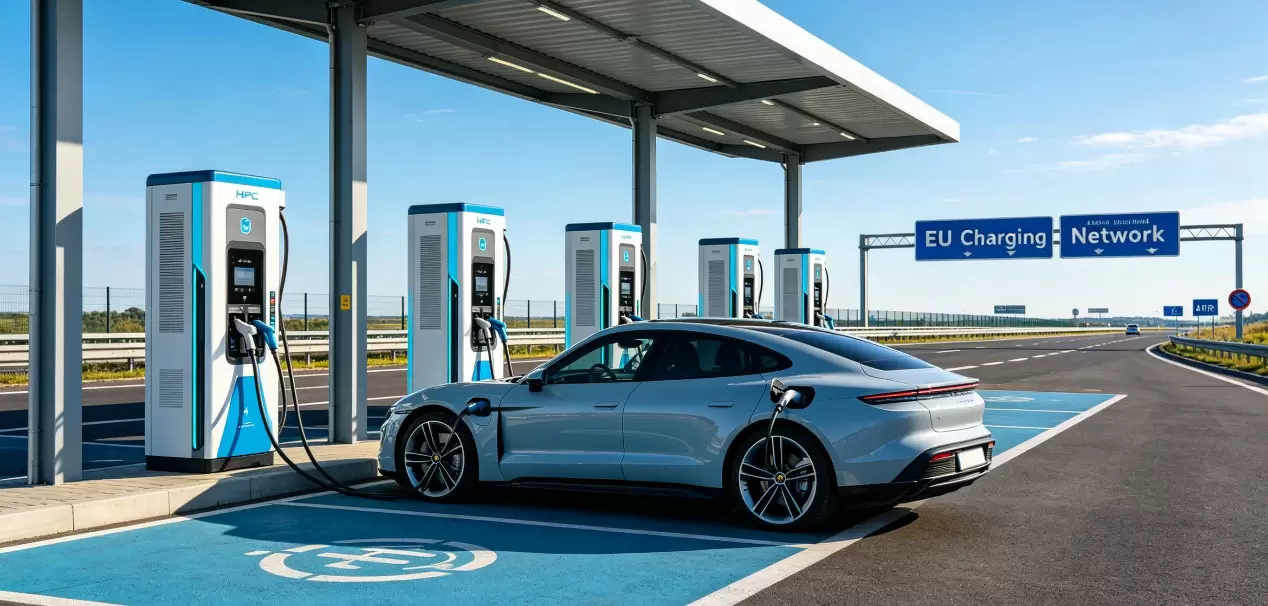
AFIR Mandates Dense High-Power Charging Network
Apr 01, 2024
More News


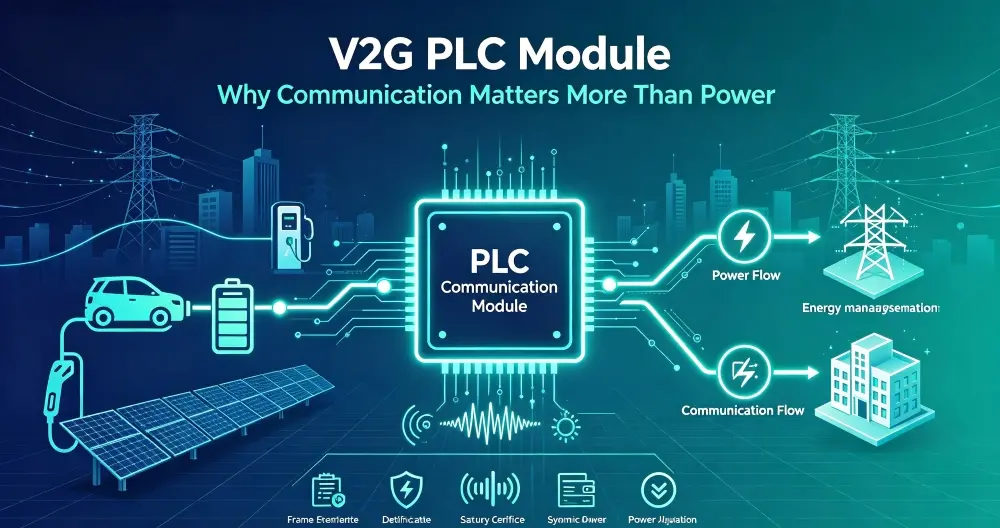
Vehicle-to-Grid (V2G) is often discussed in terms of bidirectional power flow: EV batteries can store energy, release it back to the grid, and support renewable energy integration. However, the real bottleneck for reliable V2G does not lie only in power electronics—it lies in secure, stable, and interoperable communication between vehicles, chargers, energy management systems and the grid.
At the centre of this communication layer is the V2G PLC Module, which enables data exchange over power lines between the electric vehicle and the charging infrastructure. Unlike a simple charging power module, a PLC module does not only “carry electricity”; it transmits control signals, authentication data, metering values, charging schedules and demand-response commands in real time.
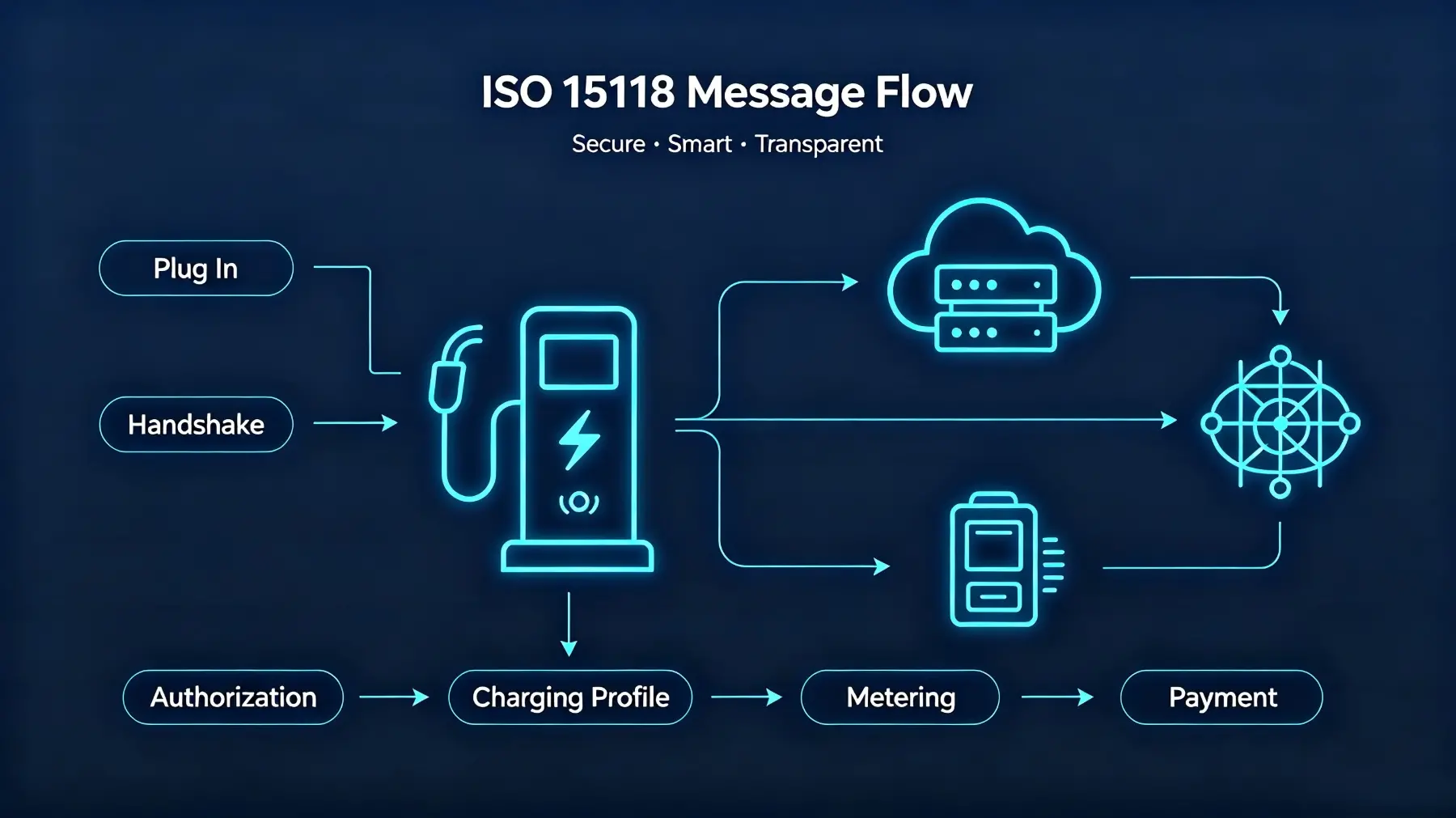
For V2G to work reliably, several communication tasks must happen continuously. First, the vehicle and the charging station must establish a secure connection and correctly identify each other. Second, they must exchange parameters such as maximum charging power, available battery capacity, discharge capability and current grid needs. Third, the system must translate high-level energy requests into precise charging or discharging instructions that the vehicle can execute safely.
This is why communication quality directly determines V2G performance. A power module can push energy into a battery, but only a robust PLC module enables the charger to understand when to charge, how much to charge, when to discharge, and to whom energy can be delivered. Without reliable communication, bidirectional charging becomes little more than an expensive power conversion function.
In practice, poor PLC performance can lead to several problems: slow or failed vehicle handshake, unstable session initiation, loss of metering accuracy, delayed demand response signals, and even safety-related control failures. For infrastructure operators, this means lower uptime, weaker user confidence, and higher operational support costs.
The value of a V2G PLC module also extends beyond a single charging session. It allows charging stations to become active nodes in a wider energy ecosystem. For example, a PLC-enabled charger can receive signals from a grid operator during peak demand, adjust vehicle charging speed, coordinate with on-site solar and battery storage, and report energy flow data back to a cloud-based energy management platform.
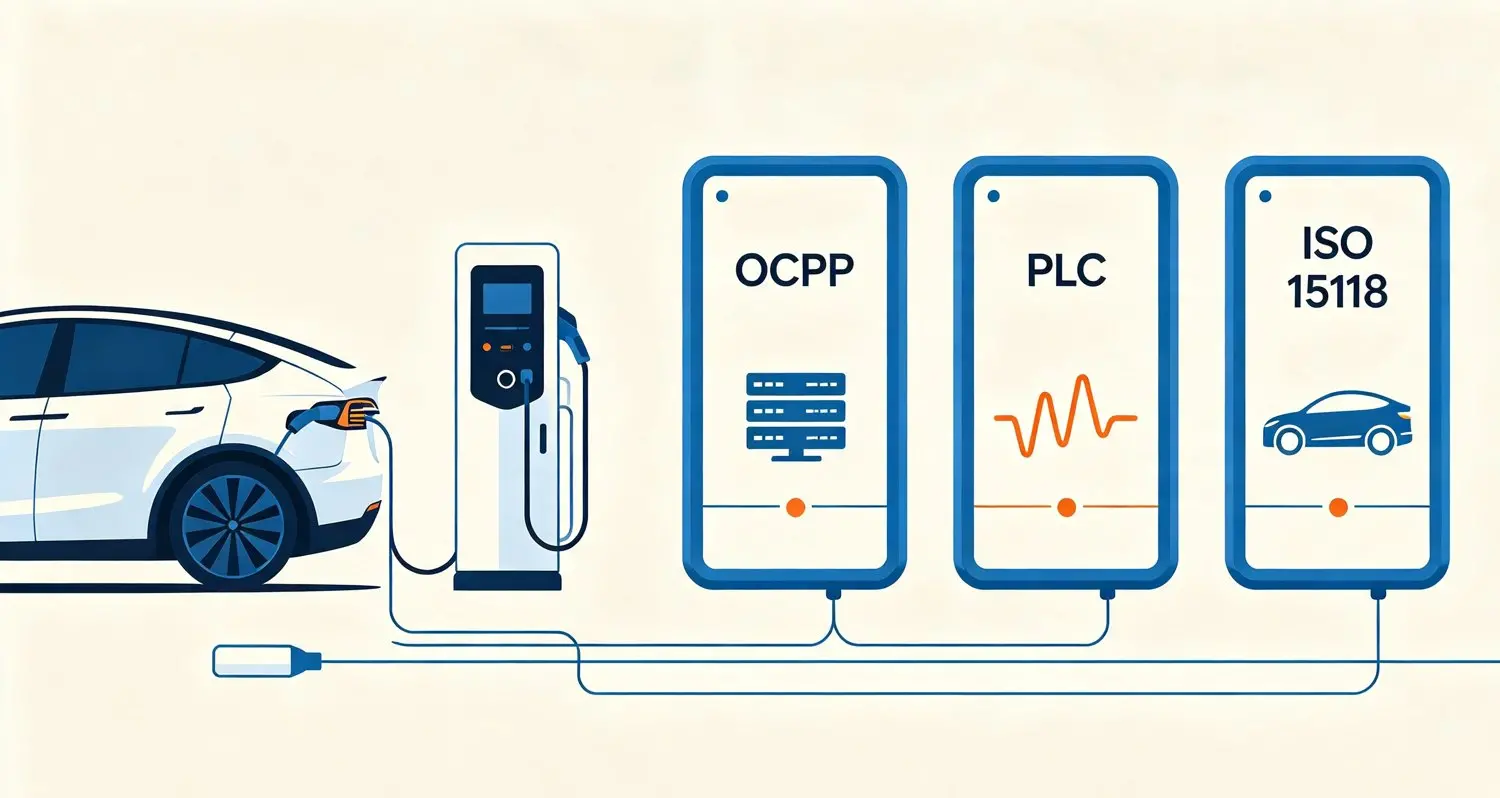
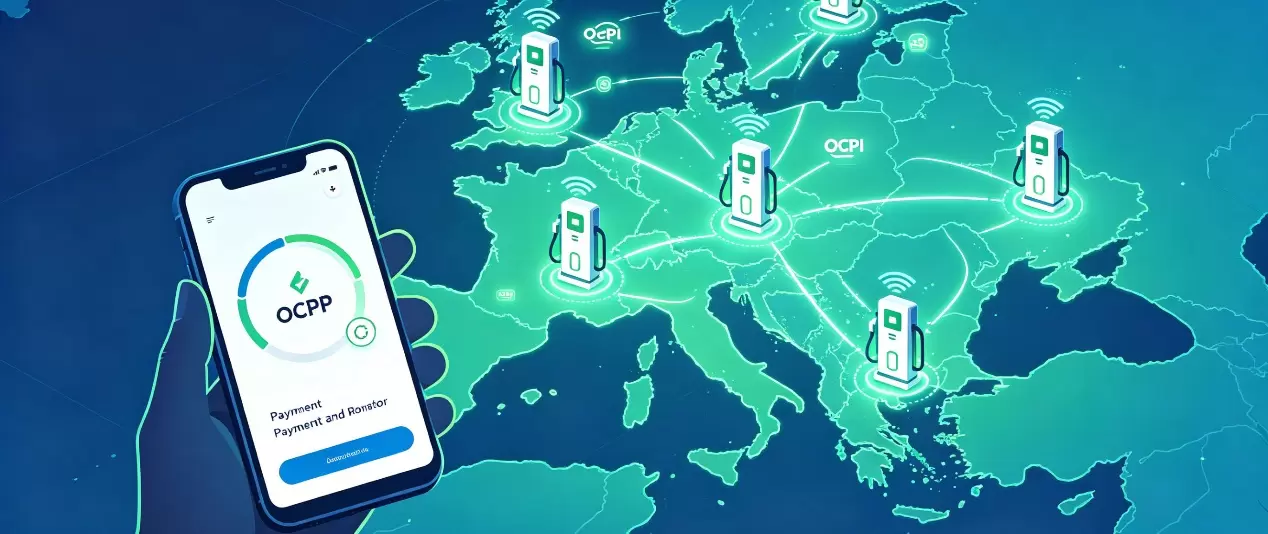
As V2G deployment accelerates, standardised communication will become increasingly critical. Technologies such as ISO 15118, IEC 61851 and open charge point protocols define how vehicles and infrastructure should communicate, but the PLC module is the component that makes these standards operational in real-world environments.
In conclusion, V2G is not just about powering vehicles—it is about coordinating energy across systems. The PLC module turns a charging point into an intelligent communication node, making V2G safer, more reliable, more responsive and more capable of supporting the grid. For this reason, communication matters more than power.