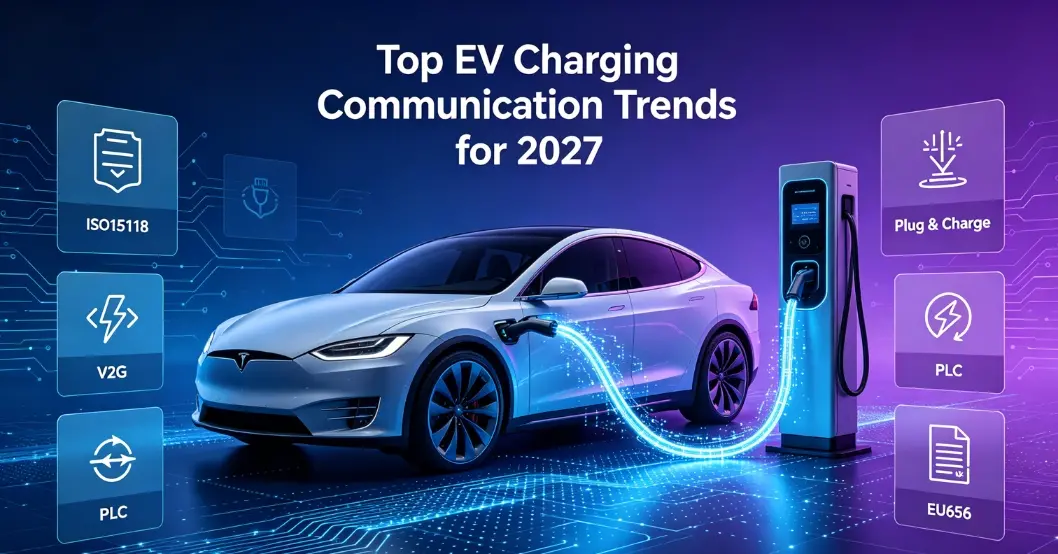
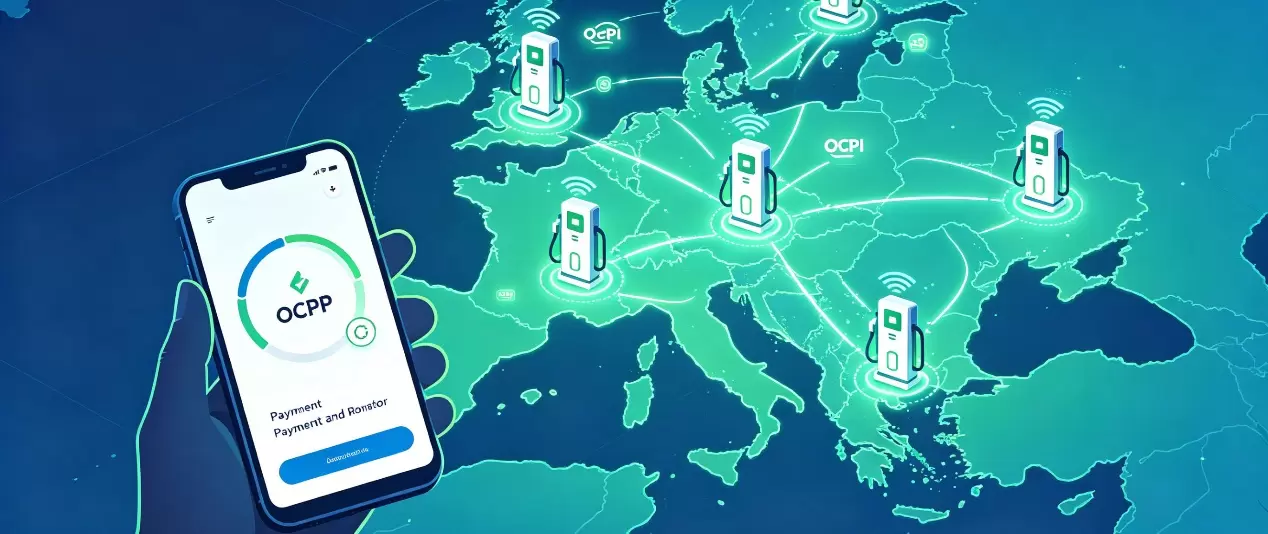
The global electric‑vehicle charging landscape is entering a transformative phase in 2027, driven by regulatory mandates, upgraded vehicle‑to‑charger digital interfaces, and growing demand for bidirectional energy flexibility. Communication is no longer a secondary feature; it forms the foundational layer that unlocks seamless user experience, grid integration, and cross‑vendor interoperability. At the heart of this shift stand ISO15118, Plug & Charge, V2G, PLC, and the pivotal EU Delegated Regulation EU656, reshaping hardware design, certification workflows and market access across Europe and beyond.
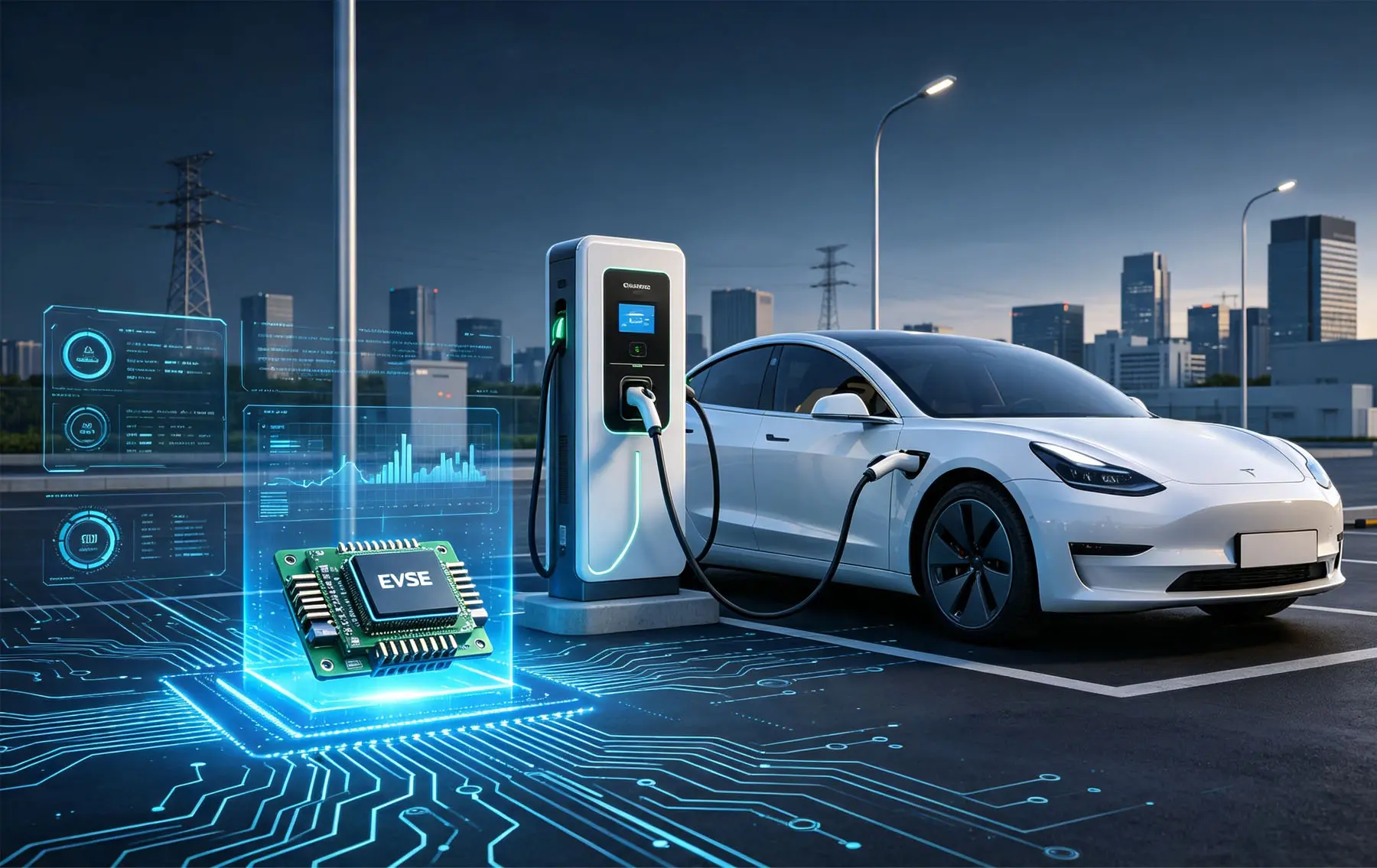
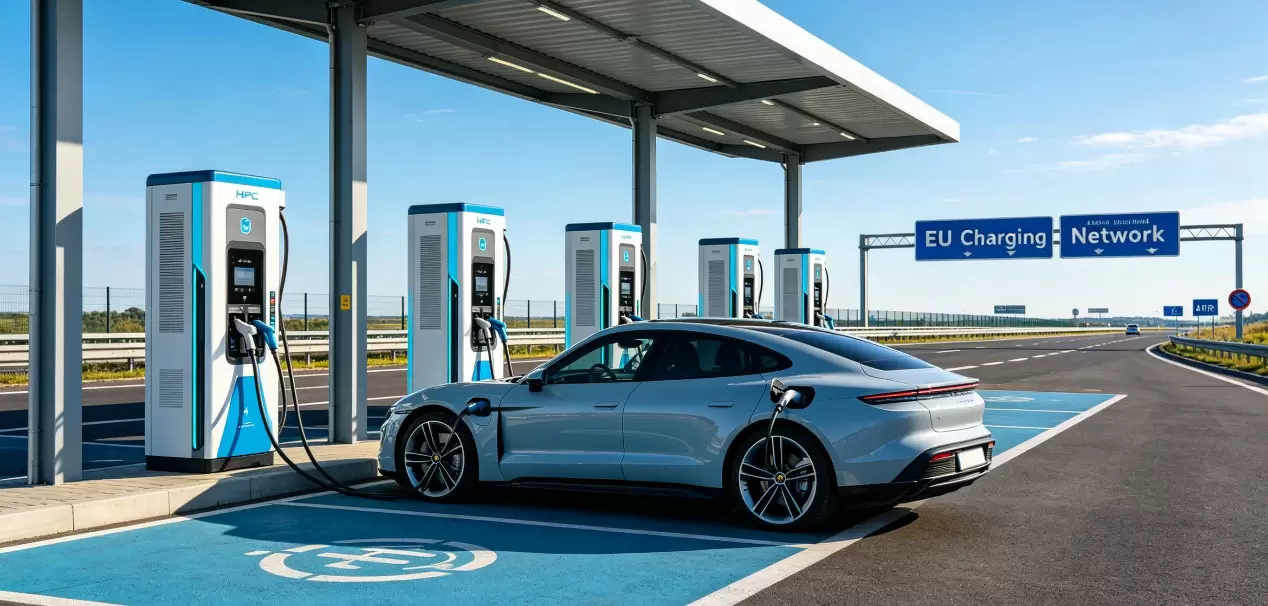
Effective January 1 2027, EU656 enforces compliance with EN ISO 15118‑20 for all newly installed or substantially upgraded public and private AC and DC charging points within the European Union. This regulation marks the end of optional adoption for advanced digital charging communication. Legacy analog PWM signalling will gradually give way to PLC (Power‑Line Communication) based on GreenPHY physical layer, transporting encrypted data over the charging cable between EV and charger without extra wiring overhead. For charger manufacturers targeting EU markets, integrating robust PLC hardware and validated ISO15118 protocol stacks becomes non‑negotiable to meet legal obligations and avoid market exclusion.
One flagship capability enabled by ISO15118 is Plug & Charge. Instead of RFID cards, mobile‑app log‑ins or QR‑code scanning, drivers simply plug in the cable; mutual certificate‑based authentication between vehicle and charging station completes automatically, triggering charging and backend billing in the background. In 2027, Plug & Charge will evolve from a premium convenience into baseline expected functionality. Thanks to the TLS 1.3 security built into ISO15118‑20, the whole authentication session remains cryptographically secured, lowering fraud risks for charge‑point operators and e‑mobility service providers.
The most far‑reaching trend of 2027 communication ecosystem is mainstream readiness for V2G (Vehicle‑to‑Grid) bidirectional power transfer. While early pilot projects ran in previous years, ISO15118‑20 standardises full bidirectional communication workflows: vehicles can draw power from the grid and feed stored battery energy back to stabilise grid frequency, support peak‑demand reduction, or supply homes and commercial buildings via V2H / V2B modes. Reliable PLC communication is critical here: continuous secure data exchange manages charging‑discharging set‑points, state‑of‑charge reporting, energy pricing signals and grid‑requested power limits throughout the connected session, even under zero‑current standby conditions.
Still, significant real‑world challenges remain. Many existing low‑end charger controllers lack sufficient processing power and memory for ISO15118‑20, requiring hardware redesign or module upgrades for retrofitting projects. Interoperability testing across mixed vehicle fleets, SECC implementations and backend PKI infrastructures stays a pain point for the whole industry. Non‑EU markets are also beginning to reference ISO15118, Plug & Charge and V2G requirements, spreading these communication trends globally.
To summarise, 2027 will be defined by regulation‑driven digitalisation: EU656 pushes ISO15118 and PLC into mass deployment, making Plug & Charge standard‑issue and laying down the communication groundwork for scalable V2G. Stakeholders including CPOs, charger OEMs, software stack vendors and automotive OEMs must align hardware, software and certification strategies now to capture opportunities in next‑generation smart‑charging markets.